
Best Running Shoes for Flat Feet
Flat feet need more than cushioning — they need guided support. After testing 15+ stability trainers, these 5 shoes deliver the best mix of motion control, comfort, and durability for overpronators.
Quick comparison
| Shoe | Type | Support | Best for | Rating | Verdict |
|---|---|---|---|---|---|
Brooks Adrenaline GTS 24 Brooks | Stability | GuideRails holistic support | Daily training, long runs, beginners | 4.8 | Best all-around stability shoe for flat feet. |
ASICS GT-2000 13 ASICS | Stability | 3D Guidance System | Long runs, half marathon training | 4.7 | Lightweight stability with marathon-ready cushioning. |
New Balance Fresh Foam X 860 v14 New Balance | Stability | Medial post + Fresh Foam X | Wide feet, daily miles, walking | 4.6 | Top pick for flat-footed runners needing wide sizes. |
Saucony Guide 17 Saucony | Stability | CenterPath Technology | Value seekers, tempo runs | 4.5 | Best balance of price, support, and ride quality. |
Hoka Arahi 7 Hoka | Stability | J-Frame technology | High cushioning, recovery runs | 4.5 | Most cushioned stability option for flat feet. |
Top 5 running shoes for flat feet
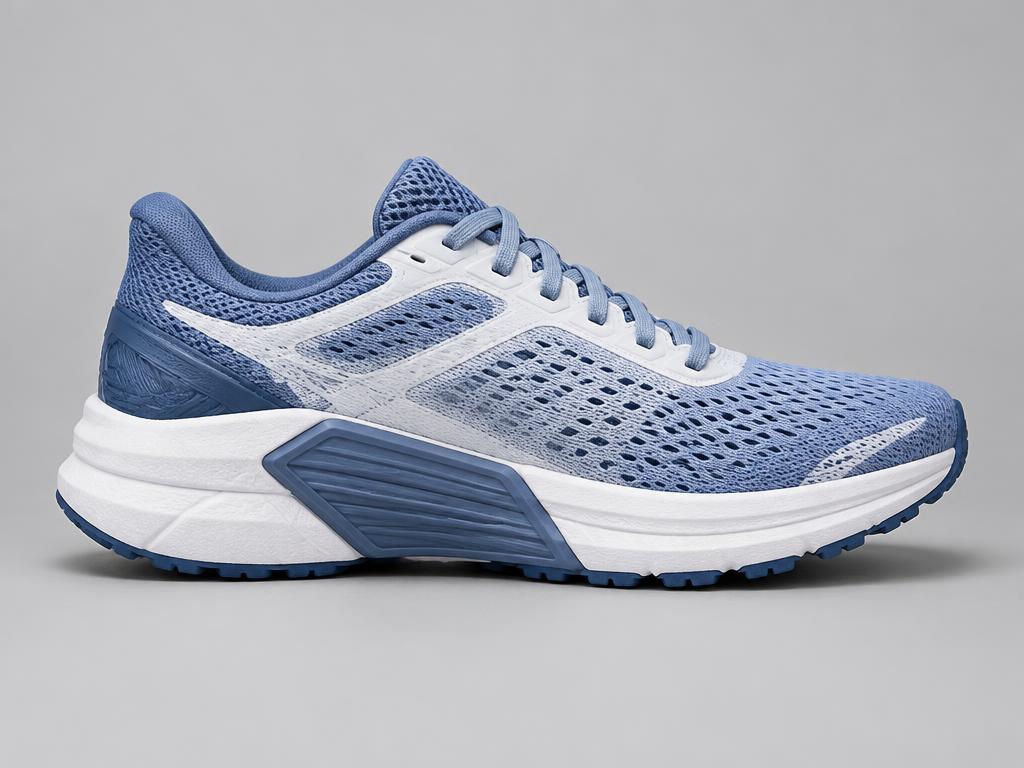
1. Brooks Adrenaline GTS 24
Brooks
The Brooks Adrenaline GTS 24 remains the gold standard for flat-footed runners who need reliable stability without a bulky ride. Its GuideRails support system keeps excess motion in check while letting your natural stride flow, and the DNA Loft v3 cushioning delivers a smooth, responsive feel for daily miles.
Pros
- Excellent medial support that doesn't overcorrect
- Soft yet responsive cushioning
- Comfortable for high-mileage weeks
- Durable outsole grips well on roads
Cons
- Higher 12mm drop may not suit minimal-drop fans
- Slightly heavier than some competitors
- Less exciting for speed workouts
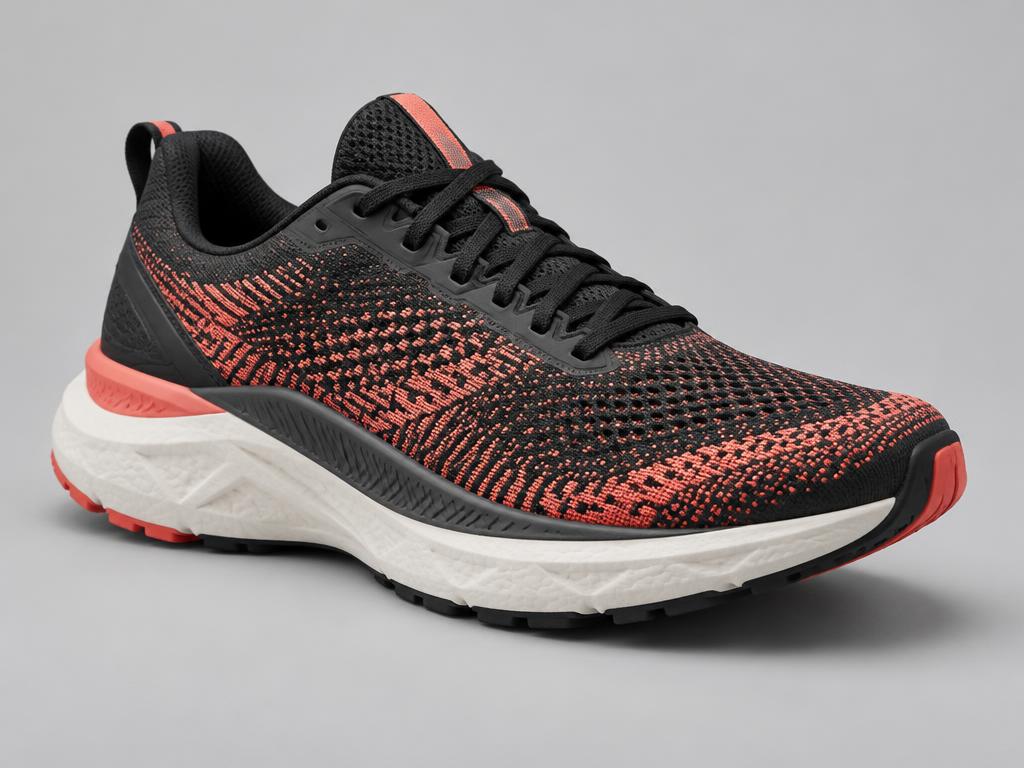
2. ASICS GT-2000 13
ASICS
The GT-2000 13 is a workhorse stability trainer that flat-footed runners can rely on for half-marathon training and beyond. ASICS' 3D Guidance System smooths transitions while FF Blast Plus foam keeps the shoe lively underfoot.
Pros
- Lighter than previous versions
- Great energy return for a stability shoe
- Breathable engineered mesh upper
- Secure heel lockdown
Cons
- Toe box can feel snug for wide feet
- Less plush than the Adrenaline GTS
- Break-in period of a few runs
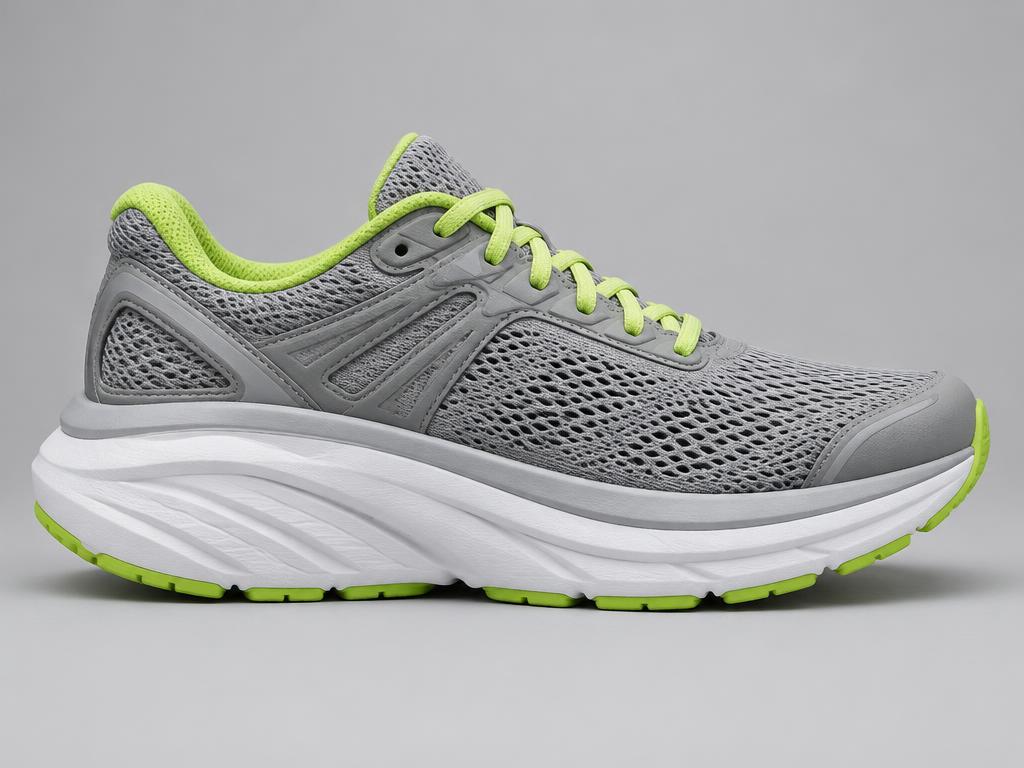
3. New Balance Fresh Foam X 860 v14
New Balance
The 860 v14 combines Fresh Foam X cushioning with a medial post to create a stable platform that comes in multiple widths. If you have flat feet and a wider forefoot, this is one of the best-fitting stability shoes available.
Pros
- Available in wide and extra-wide widths
- Soft, modern Fresh Foam feel
- Great for walking and easy runs
- Roomy toe box
Cons
- Heavier than the GT-2000
- Medial post can feel intrusive to neutral runners
- Less flexible forefoot
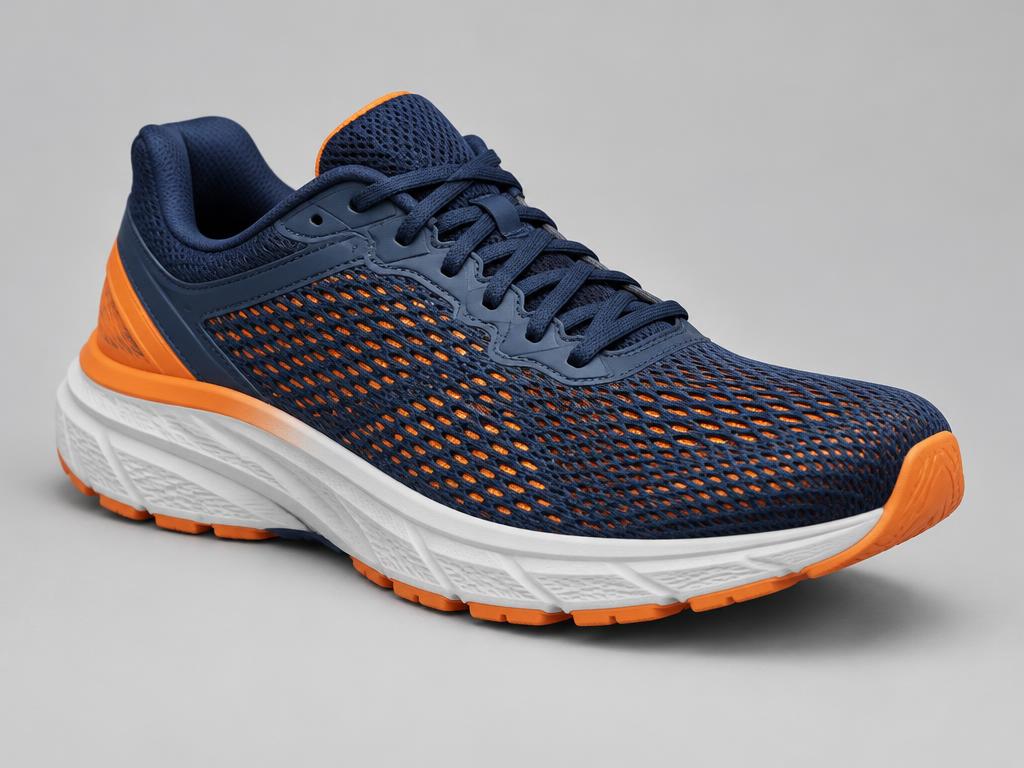
4. Saucony Guide 17
Saucony
Saucony's Guide 17 delivers premium stability features at a mid-range price. The CenterPath Technology geometry cradles flat feet while PWRRUN foam provides a balanced, cushioned ride.
Pros
- Competitive price point
- Lower drop suits midfoot strikers
- Smooth rocker geometry
- Light and versatile
Cons
- Less plush cushioning than Brooks or New Balance
- Durability lags slightly behind premium options
- Narrow fit may require sizing up
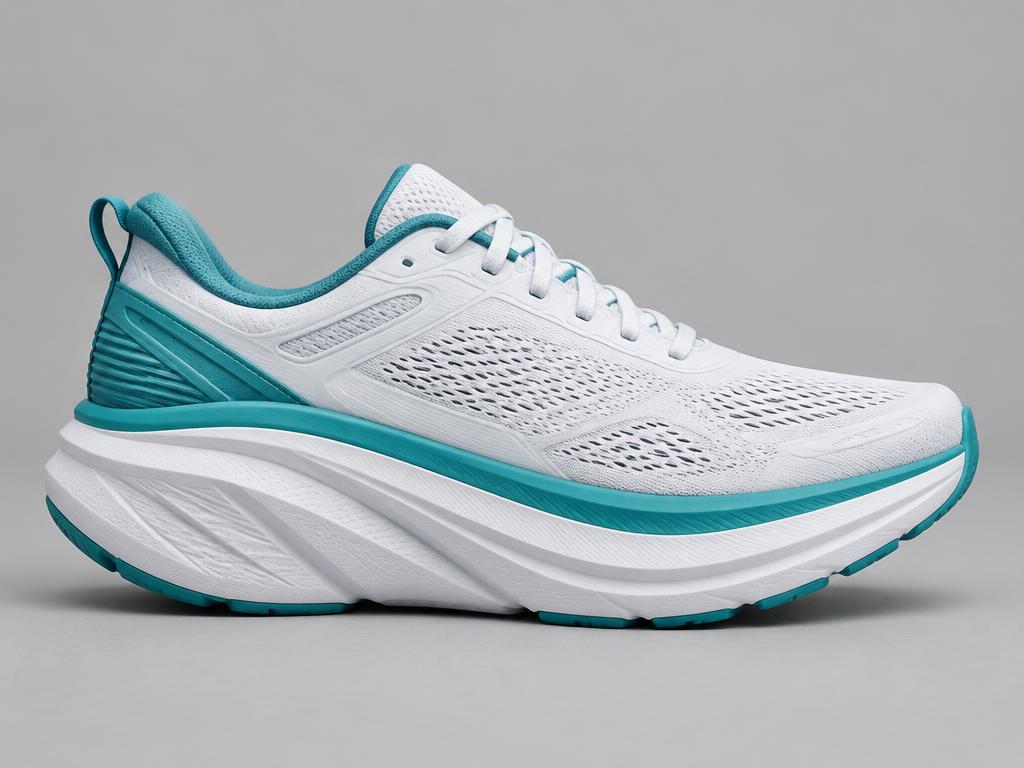
5. Hoka Arahi 7
Hoka
The Arahi 7 uses Hoka's signature J-Frame technology to guide flat feet without traditional posting. The result is a maximally cushioned stability shoe that feels surprisingly light and protective.
Pros
- Exceptional shock absorption
- Light for its cushioning level
- Smooth rocker encourages forward roll
- Great for runners with knee pain
Cons
- Stack height may feel unstable for some
- Less ground feel
- Premium price
How to choose running shoes for flat feet
Look for stability features
Flat feet often cause overpronation, so choose shoes with proven stability technology. Brooks GuideRails, ASICS 3D Guidance System, Hoka J-Frame, and medial posts are all effective solutions.
Prioritize arch support
A supportive midsole that cradles the arch helps distribute pressure more evenly. Avoid completely flat, minimal shoes unless you've specifically trained to handle them.
Check the heel-to-toe drop
Higher drops (10–12mm) can reduce strain on the Achilles and calves, while lower drops (4–6mm) encourage a more natural stride. Start with a moderate drop if you're unsure.
Get the right width
Many flat-footed runners also have wider feet. Brands like New Balance and Brooks offer multiple width options, which can prevent blisters and black toenails.
Where should you go from here?
Frequently asked questions
What type of running shoe is best for flat feet?
Runners with flat feet typically benefit from stability shoes that provide medial support and motion control. Look for features like GuideRails, medial posts, or J-Frame technology that help reduce overpronation while keeping the ride comfortable.
Can neutral shoes work for flat feet?
Some flat-footed runners do fine in neutral shoes, especially if they have flexible flat feet and no history of injury. However, if you experience shin splints, plantar fasciitis, or knee pain, a stability shoe is usually the safer choice.
How do I know if I overpronate?
Signs of overpronation include wear patterns concentrated on the inside edge of your shoe soles, ankles that roll inward when you walk or run, and recurring lower-leg injuries. A gait analysis at a specialty running store can confirm it.
Are insoles necessary for flat feet?
Insoles aren't always necessary, but they can help if your shoe's stock insert doesn't provide enough arch support. Custom or semi-custom orthotics may be recommended if you have persistent pain.
How often should I replace running shoes for flat feet?
Most running shoes last 300–500 miles. Flat-footed runners may wear out the medial side faster, so inspect your shoes regularly and replace them when cushioning feels flat or support breaks down.
Ready to run pain-free?
Start with our top overall pick — the Brooks Adrenaline GTS 24 — or compare all five above.
Check price on Brooks Adrenaline GTS 24Which follow-up guide answers your next question?
These follow-up guides answer the questions flat-footed runners ask right after picking a shoe.
- the best budget stability running shoes for flat feet — Real arch support under $120, without the throwaway midsoles.
- custom orthotics vs over-the-counter insoles for flat feet — When the prescription pair is worth the money, and when it is not.
- the best over-the-counter insoles for running with flat feet — Supportive off-the-shelf insoles ranked for arch support and durability.
- stability vs neutral vs motion control shoes — What each category actually does for a collapsing arch.
- the best beginner running shoes for flat feet — Forgiving, supportive first shoes if you are new to running.
- shoes for flat feet with plantar fasciitis — Heel-cradling picks for morning-stiffness sufferers.
- shoes for flat feet and knee pain — Reduce medial knee load with the right support geometry.
- how often to replace stability running shoes — Support fades before the outsole does — here is the timeline.
- whether flat feet actually cause running injuries — What the research says about flat arches and injury risk.
- building a marathon shoe rotation for flat feet — Which shoes to pair for easy miles, long runs, and race day.
- the best running shoes for flat feet and shin splints — Support and cushioning that take the load off aching shins.
- high-drop running shoes for flat feet and knee pain — An 8mm+ heel offset can quiet down a cranky knee.